
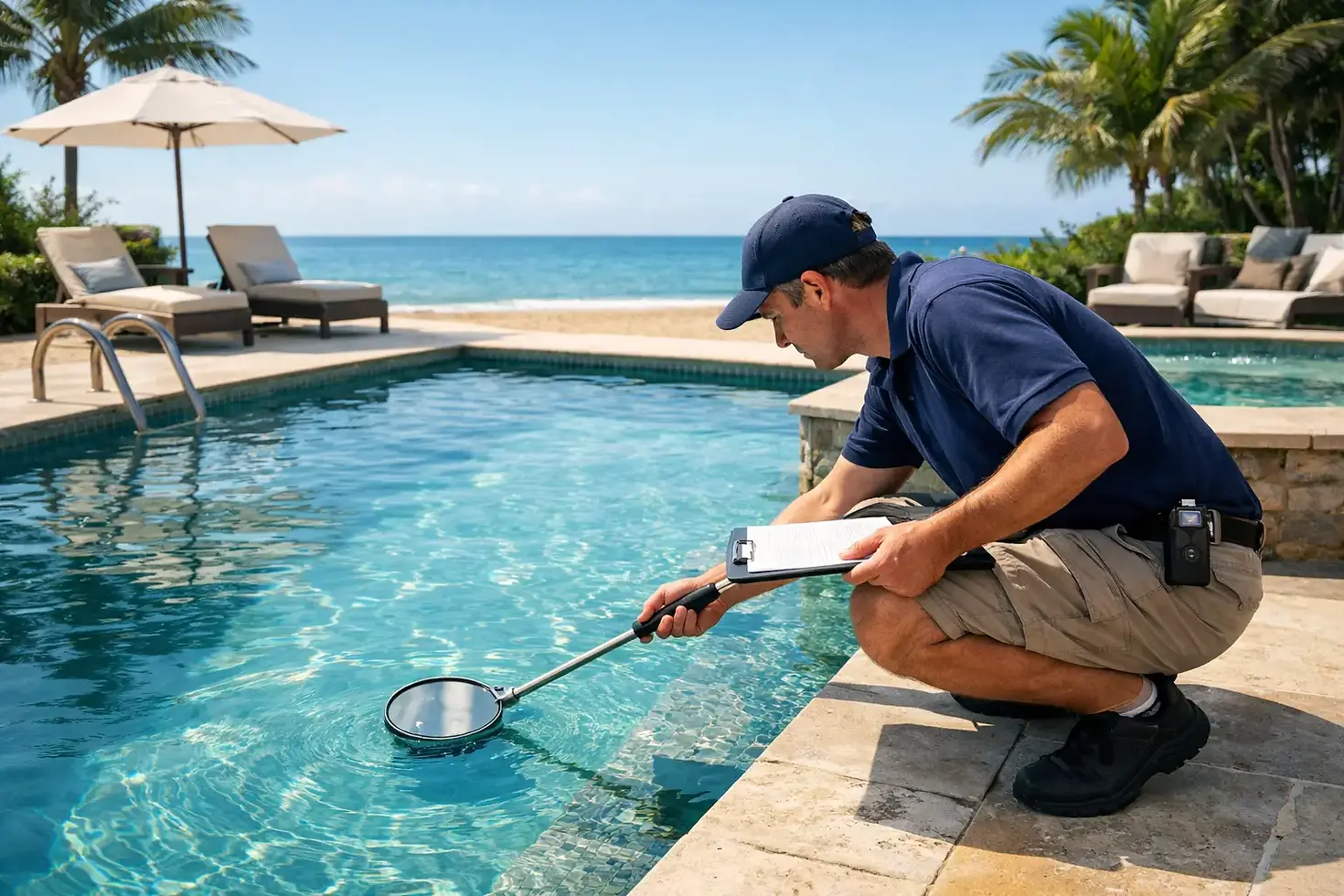
Pre Sale Pool Inspection: What It Should Catch
A backyard pool can help sell a home fast - right up until a buyer notices the water level dropping, the pump sounding rough, or cracked tile around the beam. That is where a pre sale pool inspection earns its value. It gives buyers and sellers a clearer picture of the pool’s condition before closing, when there is still time to negotiate repairs, pricing, or next steps.
For a lot of properties, especially vacation homes and second homes, the pool is not a small extra. It is a major asset, a major expense, and often a major reason the property is attractive in the first place. When the pool has hidden issues, those problems can turn into surprise costs quickly.
Why a pre sale pool inspection matters
A standard home inspection usually gives the pool only limited attention. The inspector may note visible concerns, check basic operation, and move on. That can be helpful, but it often stops short of the kind of testing needed to uncover leaks, underground plumbing trouble, equipment problems, or early structural warning signs.
A dedicated pre sale pool inspection looks more closely at the systems that make the pool work. That matters because pool problems are not always obvious during a casual walk-through. A seller may not realize there is a suction-side air leak. A buyer may not know that a pool can lose water through plumbing lines, fittings, skimmers, lights, or shell cracks without showing dramatic damage right away.
The cost of missing those issues can be significant. Water loss drives up utility bills. Hidden leaks can wash out soil, put stress on surrounding hardscape, and create conditions for more expensive repairs later. Equipment operating under strain may still run during a showing, but not for long.
What a pool inspection should actually cover
Not every inspection goes to the same depth, which is why the details matter. A useful pool inspection should go beyond a quick visual once-over.
At the most basic level, the inspector should evaluate the pool shell, tile line, coping, deck-adjacent areas, skimmers, returns, main drains, lights, and visible plumbing and equipment. Pumps, filters, valves, heaters, automation components, and chlorination systems should be reviewed for condition and operation. If the property includes a spa, that system should be assessed separately rather than treated as an afterthought.
But the real value often comes from knowing when signs point to hidden trouble. Water loss, air in the system, damp spots, cracked decking, staining, or unusually frequent autofill operation can suggest a leak that deserves more than visual review. In those cases, more targeted testing may be appropriate.
Visual signs tell part of the story
A careful visual inspection can reveal a lot. Cracks near penetrations, loose fittings, separation around skimmers, failed sealant, rust staining, and shifted deck sections all provide clues. The equipment pad can also say a great deal about how the pool has been maintained. Corrosion, patched plumbing, noisy operation, or poorly supported lines often indicate that the pool has had ongoing issues.
Still, visible symptoms do not always point cleanly to the actual source. A wet area near the pool may come from splash-out, drainage, irrigation, or a plumbing leak. A dropping water level may be evaporation, or it may be a structural or line leak. That is why experience and testing matter.
Leak testing can change the whole conversation
If a property sale involves suspected water loss, a pre sale pool inspection may need to include specialized leak detection methods. This is where a generalist and a specialist can produce very different results.
Professional leak detection may involve dye testing to check whether cracks, fittings, or penetrations are actively pulling water. Pressure testing can help confirm whether plumbing lines are holding or losing pressure. Acoustic tools can assist with locating underground leaks with less guesswork. These methods help separate assumptions from evidence.
That distinction is important for both sides of a sale. Sellers do not want to agree to broad, expensive repairs based on suspicion alone. Buyers do not want vague reassurance when a real leak is present. Solid testing gives everyone a firmer basis for decisions.
Common problems found during a pre sale pool inspection
Some issues show up again and again in real estate transactions. Leaks are high on the list, but they are far from the only concern.
Equipment wear is common, especially on homes where the pool has been used heavily during rental season or has gone through periods of deferred maintenance. Pumps may be near failure, filters may be overdue for service, and heaters may operate inconsistently. None of those issues are necessarily deal breakers, but they should be understood before closing.
Plumbing problems are another frequent finding. Underground lines can develop leaks from age, shifting soil, poor installation, or previous repairs. In coastal areas, conditions can be especially tough on pool systems over time. Salt exposure, weather, and heavy use all add up.
Structural concerns range from cosmetic to serious. Small surface cracks may be manageable, while movement near the beam, skimmer throat, or plumbing penetrations can point to a larger issue. Tile loss, coping separation, and deck movement may also signal that the pool has been under stress.
Safety and code-related concerns can also come up. Missing drain covers, damaged barriers, malfunctioning equipment, or older components that no longer meet current expectations may not always stop a sale, but they should not be brushed aside.
Buyers and sellers need different things from the inspection
The same inspection can serve both sides, but the priorities are not identical.
For buyers, the goal is usually clarity. They want to know whether the pool is a manageable asset or a near-term repair project. A clean-looking pool can still hide costly problems beneath the surface, so buyers benefit from knowing what is verified, what is uncertain, and what may need more testing.
For sellers, the inspection can reduce surprises. If issues are identified early, they can choose whether to repair them, disclose them, or price the property accordingly. That tends to go better than trying to sort out a dispute a few days before closing. A documented inspection can also add credibility when the pool is in good condition.
In some cases, timing affects strategy. If there are obvious leak symptoms, waiting until the buyer raises concerns may narrow your options. If the pool appears generally sound and there are no warning signs, the inspection may remain more straightforward. It depends on the age of the pool, how much history is available, and whether performance issues have been noticed.
Why specialization matters
Pools are their own systems. They combine structure, hydraulics, circulation equipment, fittings, electrical components, and often added features like spas, waterfalls, and automation. When something goes wrong, the source is not always where the symptom shows up.
That is why a specialist matters during a pre sale pool inspection, especially when leak concerns are involved. Someone trained in leak detection is more likely to distinguish between normal evaporation and actual water loss, between a cosmetic crack and an active leak path, or between equipment noise and a plumbing issue that deserves testing.
For property owners in the Outer Banks, this can be particularly valuable. Many homes are second homes, vacation rentals, or investment properties, which means issues may go unnoticed between stays or between management visits. A precise inspection helps cut through that uncertainty. Oscar’s Leak Detection approaches these inspections with that narrower focus - not general pool care, but finding what is actually wrong and confirming it with professional methods.
How to get the most from the inspection process
The best inspections start with context. If you are the seller, provide any service records, repair invoices, leak history, or notes about autofill use and water loss. If you are the buyer, ask whether the seller has noticed changes in water level, equipment performance, or deck conditions.
It also helps to be realistic about what an inspection can and cannot do. Some problems are easy to confirm on the spot. Others require follow-up testing because conditions need to be isolated carefully. That is not a weakness in the process. It is usually a sign that the inspector is being accurate instead of guessing.
When results come back, the next question should not just be, Is there a problem? It should be, How significant is it, what is the likely fix, and what happens if it is left alone? A minor fitting repair and a failed underground line are both leaks, but they lead to very different decisions.
A pool should add confidence to a sale, not uncertainty. When the inspection is thorough and the findings are clear, everyone can move forward with better information and fewer surprises. That alone makes the process worth taking seriously.


Comments