
Spotting and Fixing Pool Leaks Efficiently
- gilmer4007
- Jul 25, 2025
- 4 min read

Maintaining a swimming pool can be a rewarding experience, providing a place to unwind and enjoy the summer. However, one issue every pool owner dreads is a leak. Pool leaks can lead to significant water loss, increase your utility bills, and cause structural damage to your pool. In this blog post, we'll explore practical steps for identifying and fixing pool leaks efficiently.
Understanding Pool Leak Repair
Repairing a pool leak is essential for maintaining a well-functioning swimming area. Pool leaks can occur for various reasons, including aging materials, extreme weather conditions, or even accidents. Knowing how to identify the source of a leak is the first step toward effective repair.
Image Placeholder 1

Detecting a leak usually starts with vigilance. Regularly inspect your pool and surrounding areas for any signs of water loss, such as wet spots or unusually lush grass. Pay close attention to the edges, skimmers, and lights, as these are common leak sites.
Filling your pool to the normal level and marking the water line can help track any fluctuations. If the water level drops significantly within 24 hours, you likely have a leak.
Signs of a Pool Leak
Recognizing the signs of a pool leak is crucial to addressing issues promptly. Here are some common indicators that may suggest your pool is leaking:
Decreased Water Levels: Regularly checking the water level is essential. If you notice a rapid drop in water without a logical cause, such as heavy evaporation, you might have a leak.
Increased Sidewalk Wetness: If you notice wet spots around your pool's edges, especially during dry weather, this could indicate a leak.
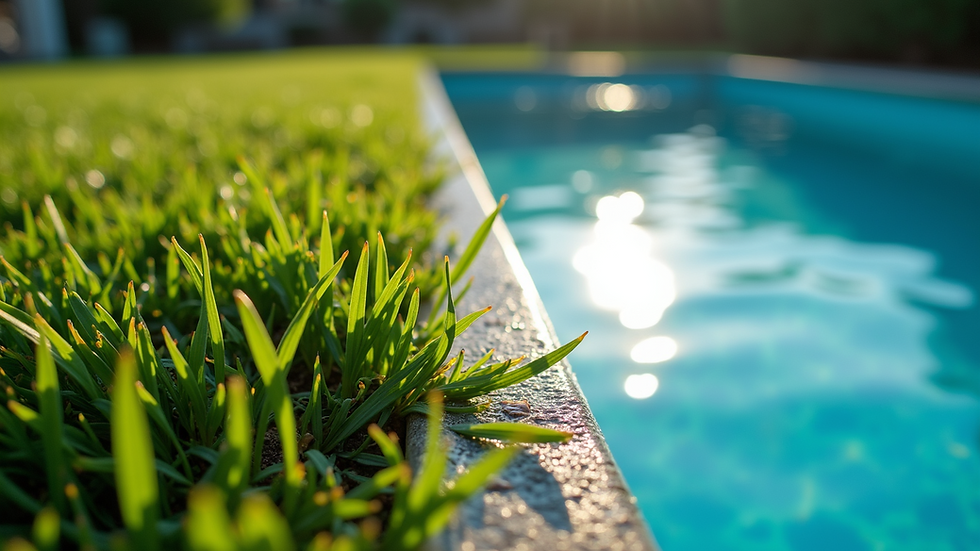
Wet Areas Around the Pool: Watch for patterns of greenery or mud near the pool. Overly green patches may suggest a leak leading to excess water in the soil.
Wet Equipment: Check your pool equipment, such as pumps and filters, for moisture. This can signal internal issues that need addressing.
By keeping an eye on these signs, you can catch a potential leak before it becomes a costly problem.
Image Placeholder 2
What Are the Three Types of Leak Detection?
Understanding the methods used in leak detection can help you choose the best approach. Here are the three primary types of leak detection commonly used by professionals:
Visual Inspection: This is the most straightforward method. It involves looking for obvious signs of leakage. Pool owners can conduct a visual inspection before calling in professionals. Check for cracks, worn areas, and any signs of surface damage.
Pressure Testing: This technique involves isolating plumbing lines and testing them for leaks. This method can be technical and is best left to professionals, as it requires specialized equipment.
Dye Testing: Using a non-toxic dye, professionals can determine exactly where a leak originates. As the dye flows toward the leak, it creates a visual marker that pinpoint where repairs are necessary.
If you’re uncertain, consider hiring professionals equipped for effective leak detection, such as those listed at Oscar's Leak Detection.
Fixing Common Pool Leaks
Once you've identified a leak, it's time to take action. Here are common methods to repair leaks based on where they occur:
Surface Cracks
If the leak is at the surface, apply a suitable pool patching compound. Follow manufacturer's instructions, ensuring the area is clean and dry before application. This can create a waterproof seal to prevent further leakage.
Equipment Failures
Leaks from pool equipment can often be fixed with new seals or gaskets. Check the manufacturer's recommendations for replacement parts, and always use original products to maintain efficiency and function.
Plumbing Leaks
Plumbing leaks are typically more complicated and might require professional assistance. However, if you're comfortable with DIY repairs, consider using a pipe sealant. Carefully follow the product instructions for best results.
Image Placeholder 3

Preventive Measures to Avoid Pool Leaks
Taking preventive measures can help you avoid the stress of finding leaks in the first place. Here are a few practical steps:
Regular Maintenance: Make it a habit to regularly inspect your pool and its components. Look for cracks, signs of wear, and ensure that your equipment is functioning correctly.
Correct Water Levels: Maintain the water level to prevent unnecessary strain on your pool’s structure. An abnormally low water level can expose areas that are at risk of leaking.
Winterization: If you live in an area with harsh winters, ensure you properly winterize your pool. This involves draining enough water, maintaining chemical balance, and covering it securely to avoid damage.
Final Thoughts on Efficient Pool Leak Repair
Facing pool leaks can be daunting, but understanding how to spot and fix these issues can make the process easier. By recognizing the signs, knowing your options for leak detection, and implementing effective repair strategies, you can maintain a well-functioning and enjoyable swimming pool.
A proactive approach to pool maintenance, along with regular inspections and minor repairs, can help prevent the development of leaks. Should you encounter a persistent leak, enlisting professional help is the best way to ensure a permanent solution, particularly for complex issues.
As with most things, a little effort goes a long way. Happy swimming!


Comments